What Is Ravioli? Ingredients, Fillings, and Why It’s a Classic Italian Pasta
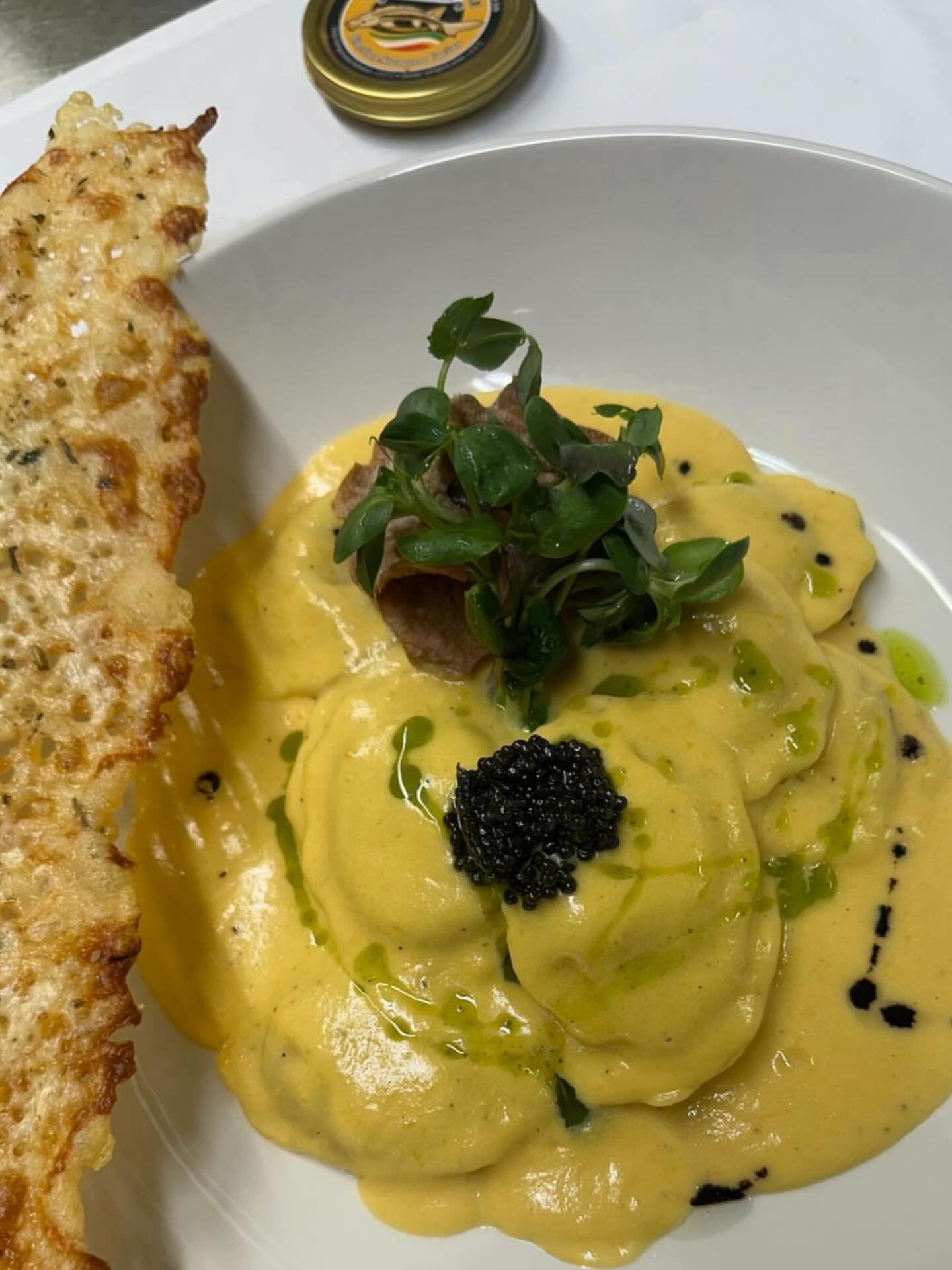
Ravioli is a classic Italian stuffed pasta made from thin sheets of egg-based dough sealed around a carefully prepared filling. Simple in form and rich in meaning, it has been part of Italian kitchens for centuries, not as a novelty, but as a way to turn good ingredients into something worth slowing down for. From ricotta and spinach to meat and seafood fillings, ravioli has always been about balance, texture, and restraint rather than excess.
In Italy, ravioli is traditionally served with light sauces like butter and sage or a simple tomato base, allowing the filling and pasta to speak for themselves. When made fresh, the dough is tender, the filling is purposeful, and every bite feels intentional. That attention to detail is what separates true ravioli from the versions many people know only from a box.
At Giovanni’s Restaurant, ravioli is treated the way it was meant to be, as a handcrafted pasta that respects tradition while focusing on flavor and freshness. Whether you are discovering ravioli for the first time or revisiting a favorite dish, understanding what ravioli is and why it matters adds depth to every plate.
What Is Ravioli, Really?
Ravioli is a traditional Italian stuffed pasta made from thin sheets of egg-based pasta dough sealed around a filling. That definition matters because ravioli is not just any filled pasta. Its structure, shape, and purpose are specific. Most ravioli is cut into squares or rectangles, with flat edges that allow the filling to remain the focus rather than the dough itself.
In Italian cooking, ravioli is typically served as a pasta dish rather than a heavy main. Portions are modest, and the emphasis is on balance. The filling should complement the pasta, not overwhelm it. This is why ravioli works so well with light sauces and simple finishes.
While ravioli originated in Italy, its popularity has spread globally. You can now find fresh ravioli, frozen ravioli, and shelf-stable versions in many kitchens. Even so, the core idea has stayed the same. Ravioli exists to bring together pasta dough and filling in a way that feels intentional, restrained, and satisfying without excess.
What Is Ravioli Made Of?’
At its core, ravioli is made from pasta dough and a filling. The dough usually includes flour, eggs, and water, with olive oil added in some recipes for flexibility and texture. Traditional dough often uses semolina flour or finely milled wheat flour to create sheets that are thin yet strong enough to hold a cheese filling or meat filling.
The filling is sealed between two layers of dough, forming individual pockets. This is what makes ravioli a filled pasta rather than a shaped one. Unlike extruded pasta, ravioli relies on rolling rather than cutting through a die. Many home cooks use a pasta roller or pasta machine to achieve the right thickness, while others rely on a rolling pin.
Homemade ravioli tends to have a softer bite because the dough is fresh. Store-bought versions vary, especially frozen ravioli, which is designed for convenience. Regardless of form, the ingredients remain simple. Ravioli works because it does not rely on complexity. It relies on quality.
Common Ravioli Fillings
Ravioli fillings fall into clear categories, each rooted in Italian tradition while allowing room for variation. The most classic fillings are built around ricotta cheese, vegetables, or meat, often seasoned gently so the pasta itself stays present.
Classic fillings include ricotta cheese with spinach or herbs, as well as meat-based fillings made with ground beef, veal, or pork. These fillings are rich but not heavy, especially when paired with tomato sauce or butter-based sauces.
Vegetarian fillings focus on vegetables like mushrooms, squash, or greens. Mushroom ravioli is especially common because it brings depth without overpowering the pasta. Seasonal vegetables often shape these fillings.
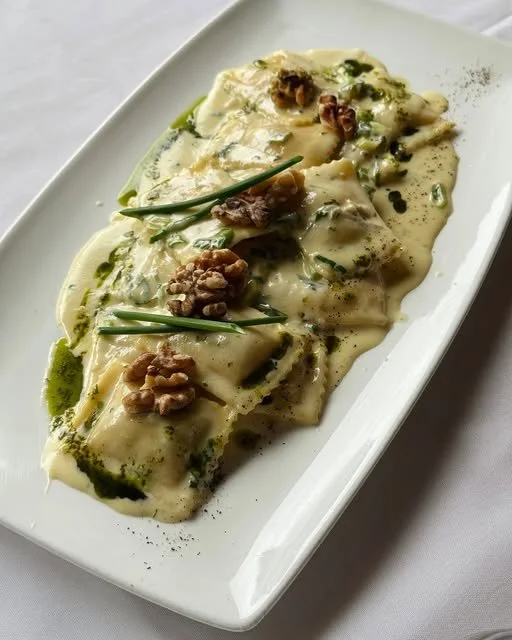
Seafood fillings include lobster, crab, or shrimp. These are usually paired with lighter sauces and minimal seasoning.
Modern ravioli may include bold flavors, but traditional Italian ravioli prioritizes balance. The filling should enhance the pasta, not compete with it.
How Ravioli Is Traditionally Served
In Italy, ravioli is served simply and intentionally. It is often part of a multi-course meal and presented in smaller portions. The goal is not to fill the plate but to highlight the relationship between pasta, filling, and sauce.
Traditional sauces are light and restrained. Butter with herbs, olive oil with garlic, or a simple marinara sauce are common choices. Tomato sauce is used sparingly and prepared to complement rather than cover the ravioli. Grated parmesan cheese may be added, but never excessively.
Ravioli is typically cooked in salted water and transferred carefully to a serving dish using a slotted spoon. This protects the pasta and preserves its shape. In some regions, ravioli is served in broth, especially during colder months. Across Italy, the approach remains consistent. Let the pasta speak first.
Ravioli vs Other Stuffed Pastas
Ravioli is often confused with other stuffed pastas, but the differences are clear once you look closely.
Ravioli is flat, sealed along the edges, and usually square or rectangular. It is often larger and designed to showcase the filling.
Tortellini is ring-shaped, smaller, and traditionally filled with meat. It is commonly served in broth.
Agnolotti is folded rather than sealed flat and is strongly tied to specific regions. It is often filled with roasted or braised meats.
Cappelletti resembles tortellini but is shaped differently and usually served in broth.
Each type of filled pasta serves a different purpose. Ravioli stands out because of its versatility and its ability to highlight both simple and complex fillings without relying on heavy sauces.
Is Ravioli Fresh or Dry Pasta?
Traditionally, ravioli is a fresh pasta. It is made, filled, and cooked within a short time frame, which gives it a tender texture and delicate structure. Fresh ravioli cooks quickly in boiling water and absorbs sauce without becoming heavy.
Dried ravioli exists, but it is a modern convenience rather than a traditional form. It is designed for storage and longer cooking time. Frozen ravioli sits between the two, offering convenience while preserving some qualities of fresh pasta.
While all forms are valid depending on context, fresh ravioli reflects how the dish was meant to be eaten. The dough remains soft, the filling stays distinct, and the overall experience feels balanced rather than dense.
Enjoy Ravioli at Giovanni’s Restaurant
Reading about ravioli is one thing. Enjoying it the way it was meant to be prepared is another. At Giovanni’s Restaurant, ravioli is treated as a true Italian pasta dish, not an afterthought on the menu. The focus is on handmade pasta, balanced fillings, and sauces that enhance rather than overwhelm.
Each ravioli is prepared with attention to texture and proportion, from the pasta dough to the filling inside. Whether paired with a light tomato sauce, olive oil, or a simple finish that highlights the ingredients, the goal is consistency and restraint. This approach allows the flavors to come through clearly and keeps the dish grounded in tradition.
If you appreciate Italian food that values simplicity, care, and proper technique, ravioli at Giovanni’s Restaurant offers an experience that reflects how this classic pasta is meant to be enjoyed. Explore the pasta menu at Giovanni’s Restaurant or reserve a table to experience authentic ravioli prepared with intention and respect for Italian tradition.
Frequently Asked Questions
What is ravioli made of?
Ravioli is made of thin pasta dough that is typically made from flour and eggs, with water sometimes added. The dough is rolled out flat, and small pockets are filled with various ingredients.
What kinds of fillings can be found in ravioli?
Ravioli can be filled with numerous ingredients, including cheese, meats, vegetables, and even seafood. Common options are ricotta cheese, spinach, mushrooms, or a blend of meats.
How do you cook ravioli?
To cook ravioli, bring a pot of salted water to a boil, then gently add the ravioli. Usually, they only need to cook for about 3 to 5 minutes or until they float to the surface.
Why is ravioli considered a classic Italian dish?
Ravioli is considered a classic Italian dish because it has a long history in Italian cuisine, showcasing regional flavors and traditional cooking methods, making it a beloved staple.
Can ravioli be made at home?
Yes, ravioli can definitely be made at home. You can prepare the dough and fill it with your favorite ingredients. It's a fun cooking project that allows for creativity in the kitchen.